Emergency Springs · Cabbagetown
Torsion Spring Replacement in Cabbagetown
On a cold morning the remote does nothing useful: the light comes on, the motor turns briefly, the door stays shut. There may be a fresh crack in a rusty coil, and flakes of orange on the floor below the shaft.
Call now · open 24/7(289) 807-2460Right now
Before the door is looked at
Call (289) 807-2460, open 24/7.
When a spring breaks, the safe approach for the household is to leave the door where it is, keep people and vehicles clear, and avoid running the opener, which can damage the top section, the trolley or the gear drive.
Pull the manual release only when the door is fully closed unless a technician asks otherwise; a door disconnected while partly open can move on its own if the springs are out of balance.
Never drive a vehicle at a closed door to get out; the door collapses and the stored tension in the counterbalance is released. Use the release, the outside key release, or a technician.
In plain words
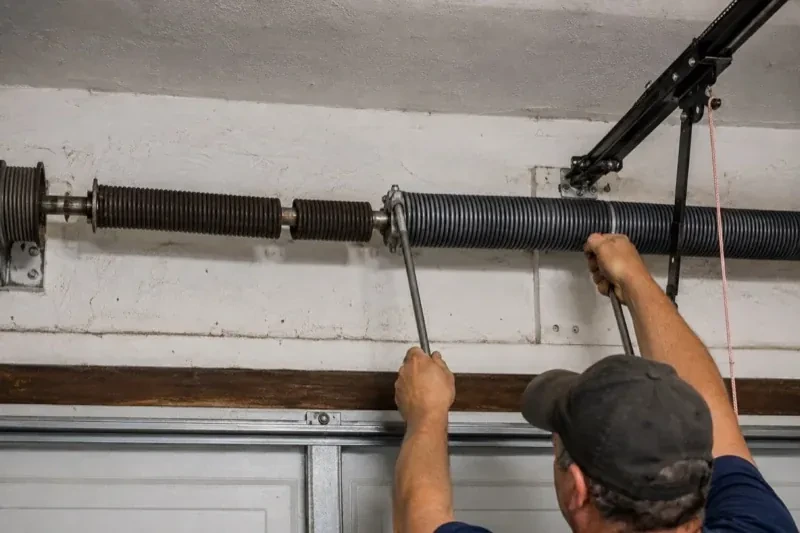
Torsion spring replacement is really a service on the whole balance system. The spring sits on a shaft that turns in a centre bearing and two end bearings, drives a pair of cable drums, and lifts the door through two steel cables. With the shaft out for the new spring, the technician inspects each of these parts, replaces bearings that grind or wobble, checks cables for fraying at the bottom brackets and confirms the drums are seated. Refreshing worn pieces at the same time means the new spring works on smooth hardware and the door runs true.
How the visit goesYou heard a sharp bang from the garage, and now the opener hums for a second and gives up. The door lifts a few centimetres at most, then settles back down as if something very heavy is holding it in place.
Torsion Spring Replacement · Cabbagetown
How the visit goes
- 1
Understanding how the door is used
How the household uses the door shapes the spring that suits it. The technician asks how many times a day it typically opens, whether it is the main entrance to the home, and when springs were last replaced, if ever. A door cycled eight times a day accumulates use far sooner than a weekend garage. Age of the door and any previous partial repairs are also relevant, especially a single spring changed on a paired system. This conversation lets the customer choose between a standard-cycle spring and a higher-cycle option with a clear picture of what each means for them.
- 2
Setting the cables and drums
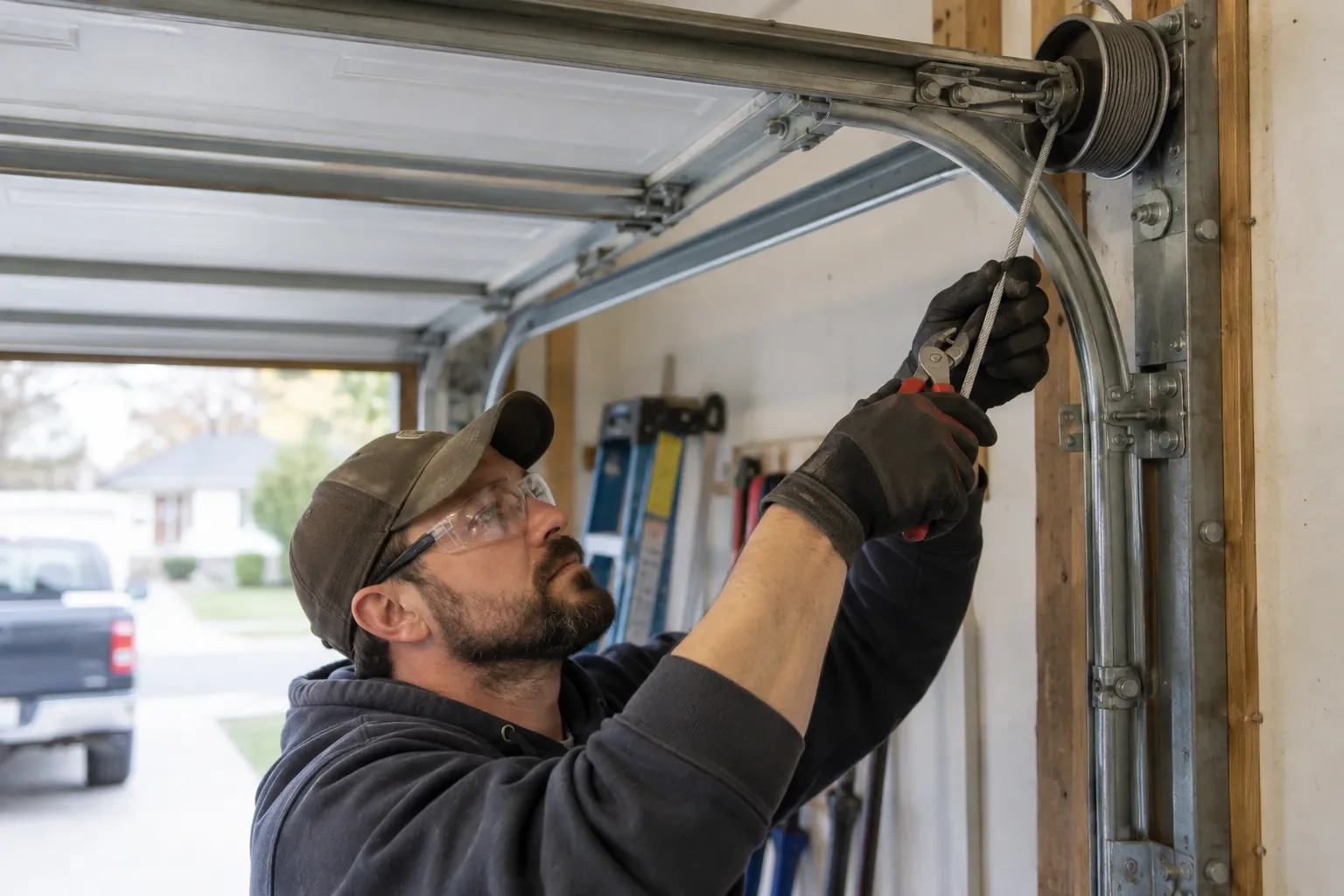
A balanced door depends on both cables pulling equally, so drum work gets careful attention. Each lift cable is wound into the grooves of its drum with the loop secured on the drum pin, and the drums are slid firmly against the end bearing plates. The technician rotates the shaft to take up slack, then sets tension so both cables are equally taut with the door fully closed; a level across the shaft confirms it is sitting true. Drum set screws are tightened to the shaft in this position. Even cable tension keeps the door square in its tracks through every part of its travel.
- 3
Your spring on record
The technician leaves you with the specification of what was installed: wire size, inside diameter, length, wind direction and the cycle rating chosen, along with notes on any bearings or cables replaced. Keep that record with the door's paperwork or photograph it. It means future service starts from known numbers rather than fresh measurement, and if a door section or opener is ever changed, the installer can confirm the springs still suit the door's weight. Many technicians also mark the installation date on the spring or centre bracket so the age of the system is easy to read later.
In the van
- Torsion shaft and coupler
- Garage-door spring lubricant
- Socket set and wrenches
- Stationary cone bolts and nuts
- Cable drums
What affects the quote
- 1
Converting from extension springs
Moving a door from extension springs to a torsion system adds a shaft, bearings, drums and brackets, and removes the old pulleys, which is a broader job than replacing an existing torsion spring.
- 2
Drum type and lift configuration
Standard-lift drums are the common case. High-lift, vertical-lift or low-headroom arrangements use different drums, cable lengths and turn counts, which changes the parts and the time involved.
- 3
Opener reconnection and testing
Resetting force and travel limits and running the reversal and photo-eye tests are part of the visit. An opener with worn gears or a slipping trolley uncovered during testing becomes a separate item.
Same fees day, night or weekend.
Torsion Spring Replacement: questions
How do you know which spring my door needs?
The spring is chosen from measurements rather than appearance. The technician records the door's width, height and weight, the drum type and track lift, and reads the old spring's wire size, inside diameter, length and wind direction. Those inputs together determine the spring that will balance the door. The choice is confirmed on the spot by lifting the finished door by hand and feeling it hold at mid-height.
How often should the springs be lubricated, and with what?
Once or twice a year is a good rhythm, with autumn the most useful time because cold thickens grease. Use a garage-door lubricant, typically a silicone or lithium spray, applied along the coils so it works between them as the door cycles. Hinges, roller bearings and the end bearings benefit from the same treatment. Keep the track itself dry, since lubricant there gathers grit and slows the rollers.
What should I do before the technician arrives?
Keep the door closed and leave it alone, move any vehicle you can reach out of the way or at least clear the space in front of the door inside the garage, and make sure there is room for a ladder beneath the shaft. Note whether there is one spring or two and whether a cable is loose. A photo of the spring area, the drums and the opener helps the technician bring the right parts.
Springs & Hardware
Bigger photo, sooner job: Emergency Book soon Plan ahead
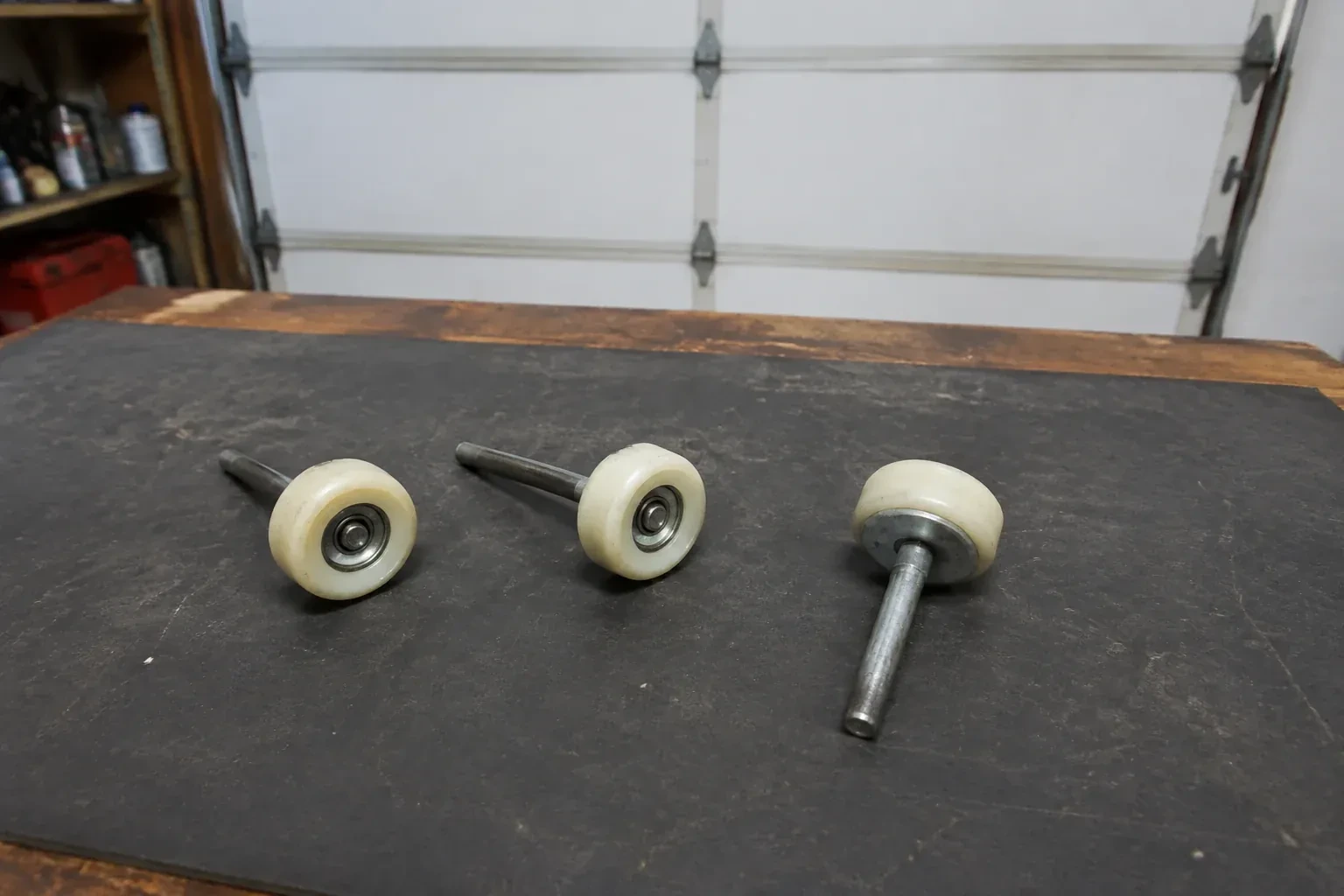 Book soonGarage Door Roller ReplacementEvery morning the door announces itself: a rattle on the way up, a grinding squeal on the way down, loud enough that the…
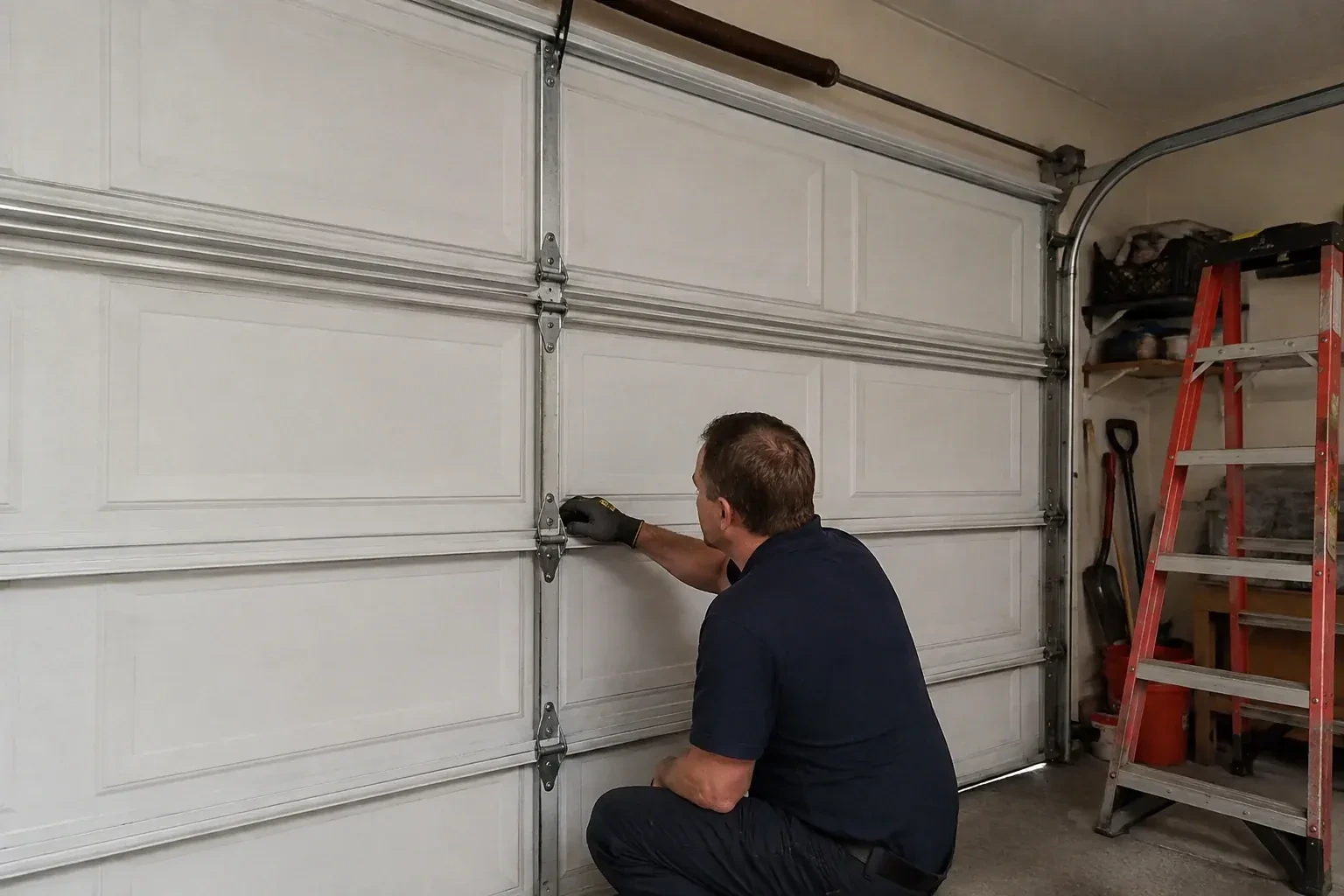 Book soonGarage Door Hinge ReplacementWith the door closed and a flashlight on the inside face, one of the hinges near the edge has a crack running from the screw hole…
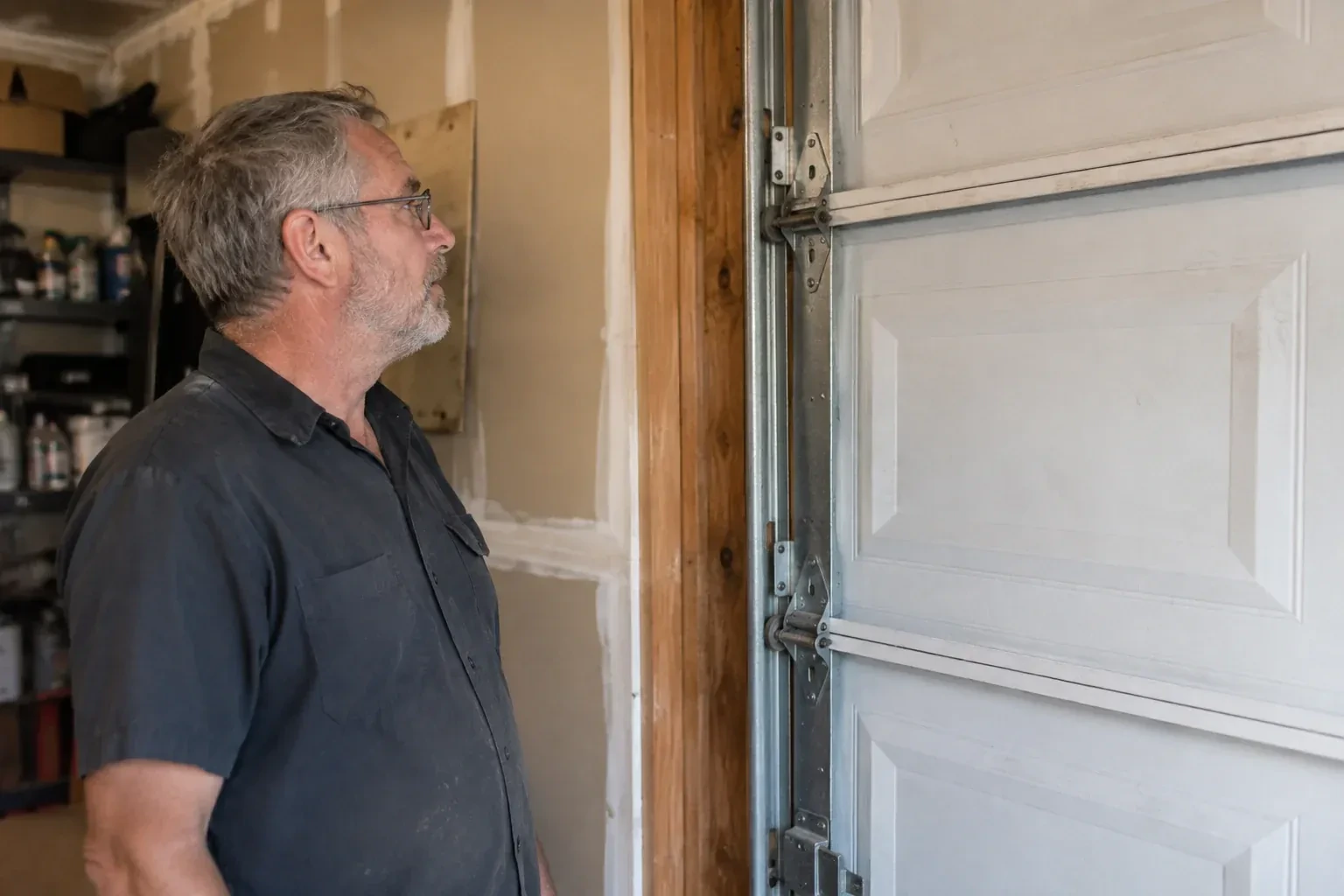 Book soonGarage Door Track Repair or ReplacementBacking out this morning, the mirror caught the track beside the door.
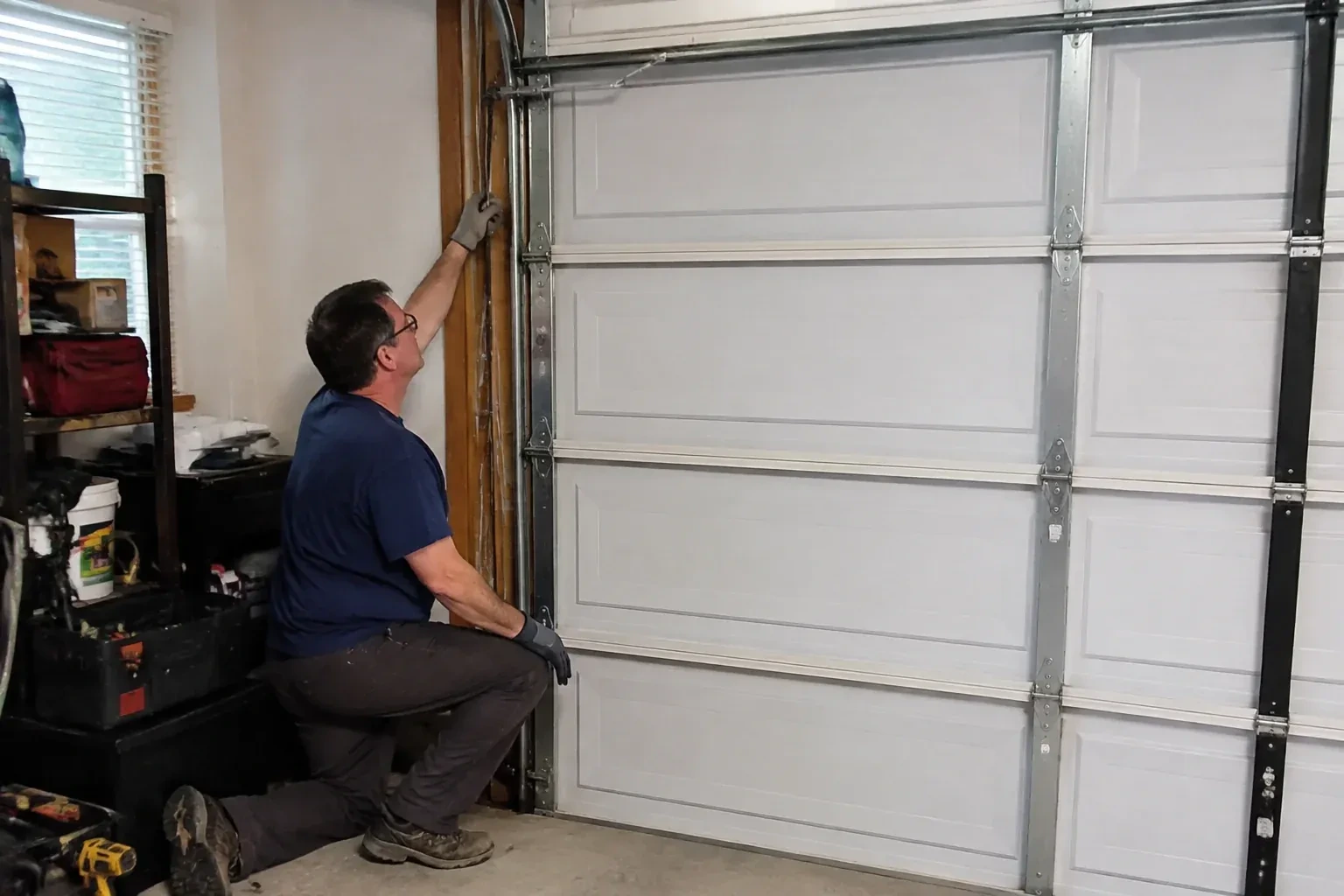 EmergencyGarage Door Cable ReplacementSomeone left the snow shovel leaning in the opening and the door came down on it.
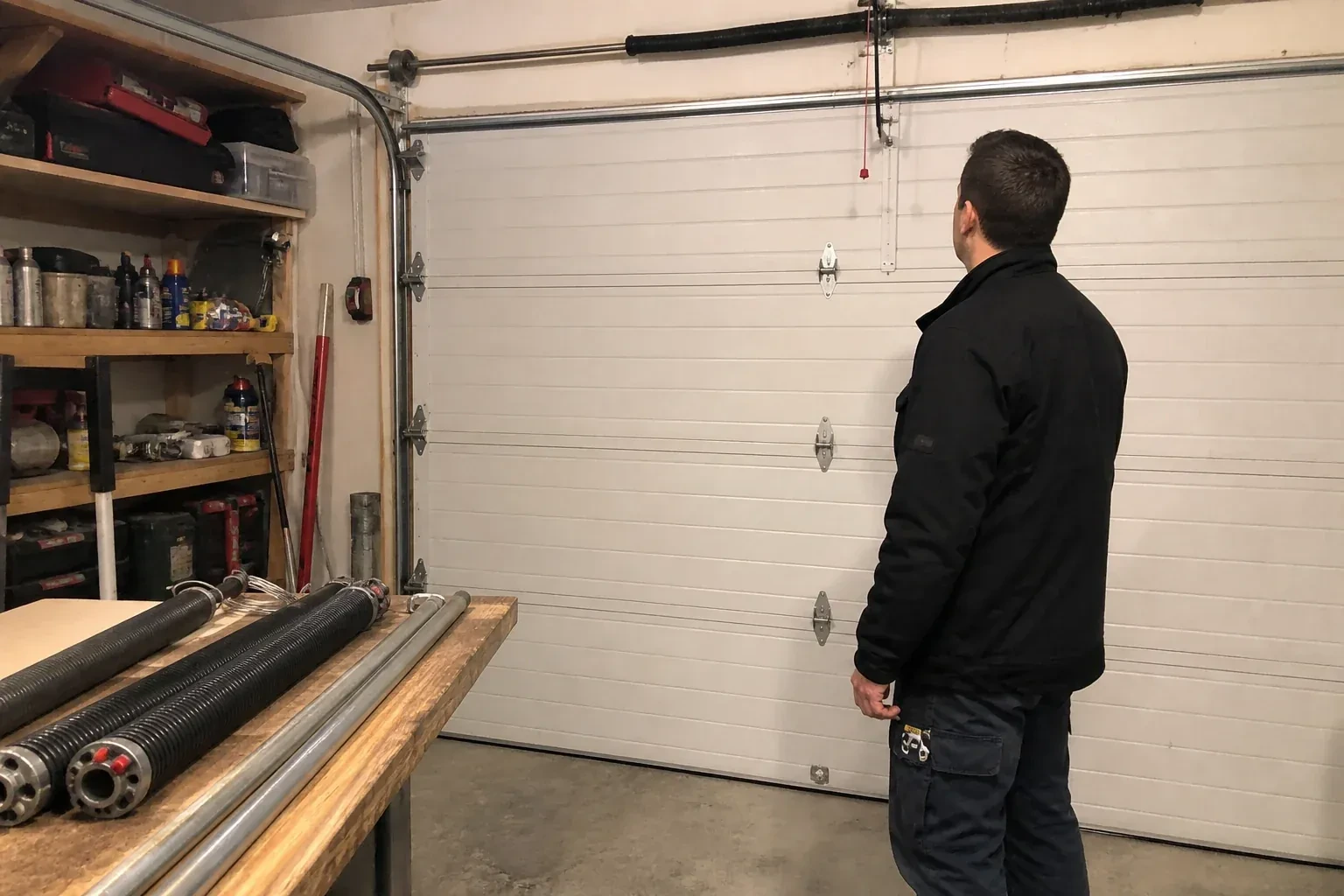 EmergencyExtension Spring ReplacementThe opener groans on the way up and the door slams the last foot on the way down, hard enough to rattle the windows.
Torsion Spring Replacement near you
Toronto, Ontario
Cabbagetown information
- Town
- Cabbagetown, Toronto, Ontario
- In business
- 16 years
- Hours
- Open 24/7 · nights, weekends and holidays, same fees
- Phone
- (289) 807-2460
- Visits
- On-site assessment preferred. Request a visit or call.
What the census means at the door
58%
Older homes. About 58% of homes in Toronto were built in 1980 or earlier, according to the 2021 Census.
Wood door frames in an older house settle and swell over the decades, which can leave a door rubbing on one side. Rather than forcing the opener, the technician trues the tracks, adjusts the jamb seals and sets the door so it travels freely again.
23%
Single-detached houses make up about 23% of homes in Toronto (2021 Census).
Where most homes are townhouses, condos or apartments, garage doors are often shared: a single overhead door or gate serving an underground or common garage. Those doors run on commercial operators built for constant use, and their upkeep is usually arranged through the building's management.
Nearby
Open 24/7
Request a visit
On a cold morning the remote does nothing useful: the light comes on, the motor turns briefly, the door stays shut.
Call now · open 24/7(289) 807-2460- On-site assessment preferred
- Same fees day, night or weekend
- 16 years in business