Book soon Openers · Toronto
Emergency Release Repair
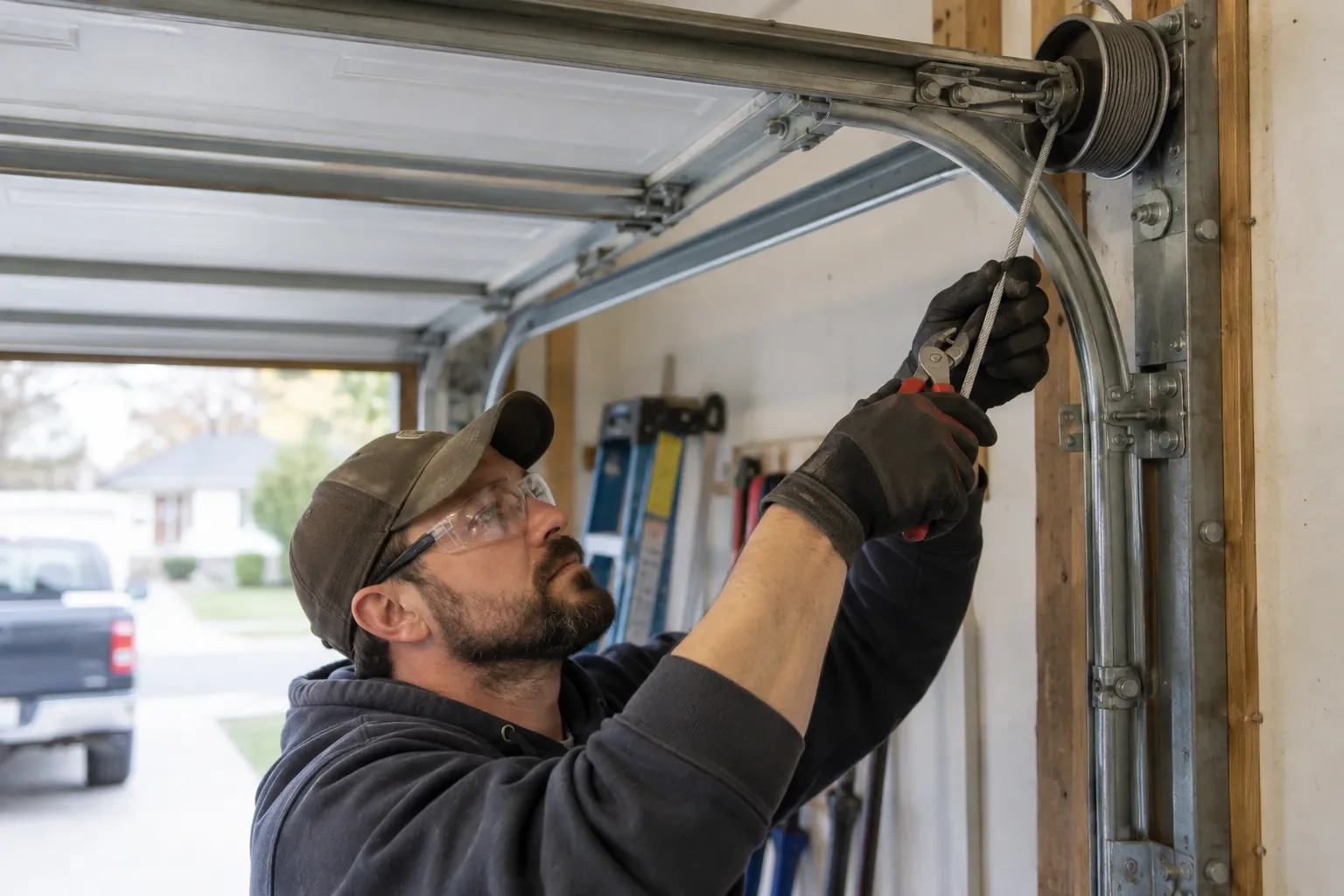
A previous owner knotted the release cord around the rail and stacked storage shelves right beneath it. You only discovered this in the dark, with the power off, a flashlight in your teeth and a car that needed to be somewhere.
Call now · open 24/7(289) 807-2460Right now
Before the door is looked at
Call (289) 807-2460, open 24/7.
Pull the release with the door fully closed whenever possible, and keep the opening clear as you do. Once the trolley lets go, the door is held by its springs alone, and a closed door can still shift unexpectedly.
Lift a door by its handles or the gripping points on the panel face, never at the joint between sections, which closes as the door bends around the track.
Never drive a vehicle at a closed door to get out; the door collapses and the stored tension in the counterbalance is released. Use the release, the outside key release, or a technician.
In plain words
There are two releases on many garages, and this service covers both. Inside, the red handle drops from the trolley and anyone standing in the garage can pull it. Outside, some doors carry a small keyed cylinder, near the top on a sectional door or at mid-height on others; turning the key pulls a cable that throws the same lever from the driveway, which matters when the garage has no other door and the opener is quiet. Repair inside usually means a new cord, handle, lever or trolley. Repair outside means a new cylinder, cable or keys, routed clear of the section joints so the key turn reaches the lever.
How the visit goesA previous owner knotted the release cord around the rail and stacked storage shelves right beneath it. You only discovered this in the dark, with the power off, a flashlight in your teeth and a car that needed to be somewhere.
Emergency Release Repair · Toronto
How the visit goes
- 1
Who needs to use it, and how they get in
Finally the technician asks about the household and the building. Is there a side door or a door into the house, or is the overhead door the only way in? Who is likely to be pulling the handle in an outage: a tall adult, a teenager, an older relative? Does the family use the release often, or has it never been touched? Has a car roof been catching the cord? These answers shape the cord length, whether an outside key release is worth fitting, and how much of the visit goes to demonstration. The point is a release that works for the people who actually live there.
- 2
Replacing the trolley or carriage
Latch teeth that have worn round, a cracked trolley body or a carriage bent when a door dropped onto it call for a new assembly. The technician slackens the drive, disconnects the arm from the door, slides the old trolley off the rail and fits the replacement that matches the opener's model and rail type, then reattaches the arm with new clevis pins and clips. The chain or belt is set to the correct tension, the trolley is run to the door and latched, and the opener is cycled until the technician is satisfied the connection is solid at both ends of travel. Old parts are shown to you before they leave.
- 3
A record of what was done
You receive a short note: the opener model, which release parts were replaced, the handle height as set, whether the trolley was freed or renewed, what the travel and tension settings are now, and whether an outside release was fitted. Keep it with the house papers. It tells the next technician what is on the ceiling, gives a buyer confidence the door has been cared for, and saves looking up the model when a replacement rope or key is needed years from now. Old parts are left with you or removed, whichever you prefer.
In the van
- Garage door lubricant
- Trolley and carriage assembly
- Hole saw for the top section
- Rope and red handle kit
- Release cable and clips
What affects the quote
- 1
Door work found by the balance test
If the disconnected door proves heavy or drifting, spring, cable or roller work comes before the release is put back into use, and that door-side work is quoted as its own item.
- 2
Ceiling height and access
A standard garage puts the trolley in easy reach from a step ladder. High ceilings, a storage loft, a high-lift track or a car that cannot be moved add setup time.
- 3
Demonstration and labelling
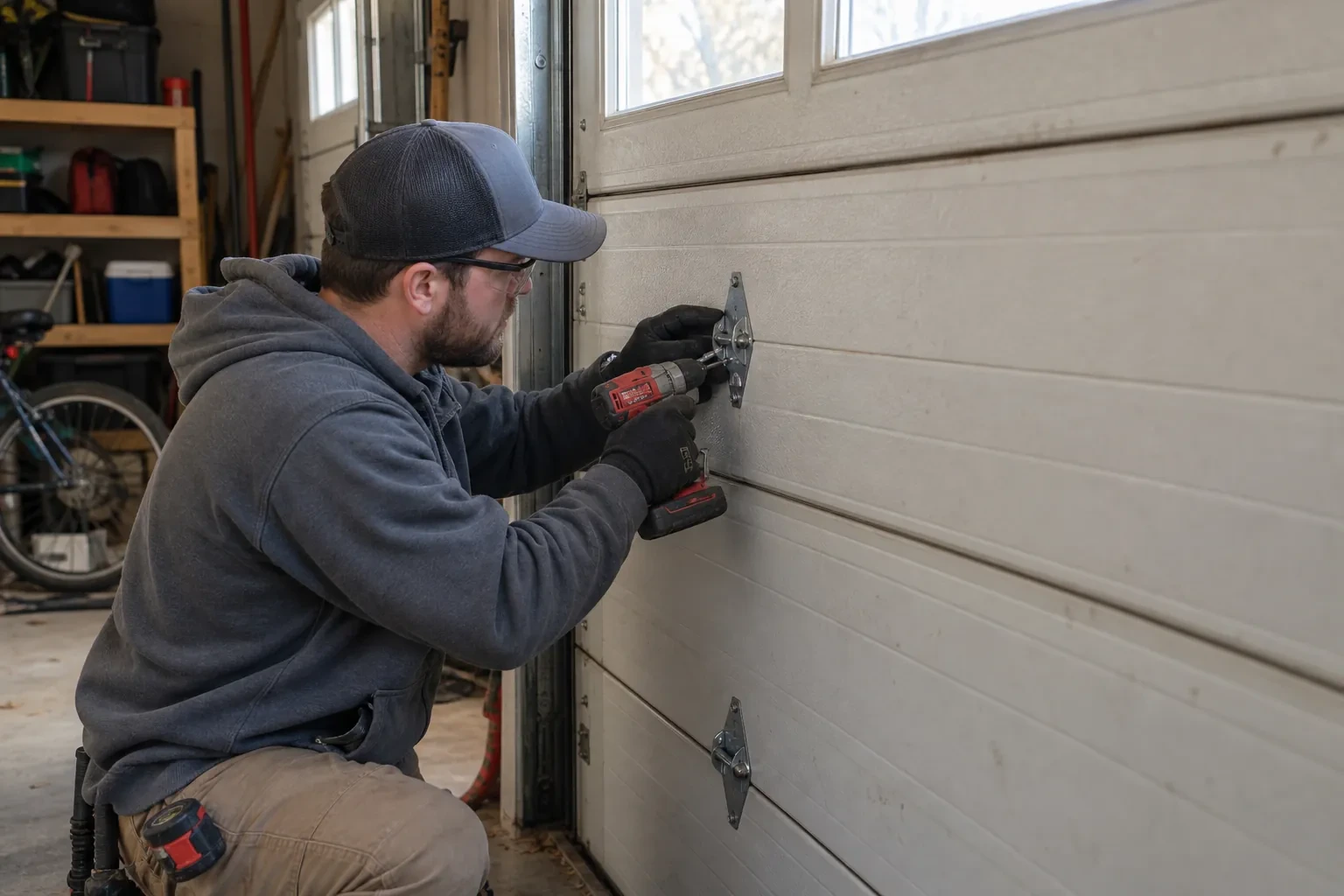
Walking the household through the release, fitting a fresh warning and instruction label near the wall control, and adding handles or gripping points to the door are small tasks that are itemized when they are part of the visit.
Same fees day, night or weekend.
Emergency Release Repair: questions
Can I replace the cord and handle myself?
A rope and handle kit is a simple part, and many homeowners fit one. The details matter, though: the knot at the lever has to hold under a hard pull, the handle has to end up at the right height, and the lever should be checked for wear while you are up there. If the cord failed because the lever or trolley is worn, a new rope alone leaves the real fault in place. Have it done as part of a release check and both get looked at.
How long does an emergency release repair take?
A cord and handle, a lever spring or a trolley freed from the stop bolt is a modest part of an hour, including the balance test and reversal tests. Replacing a trolley or fitting an outside key release takes longer, since the drive is slackened and re-tensioned or a hole is cut in the door. If the balance test finds the springs need work first, that is a separate piece of the visit, and you are told before it starts.
Does every type of opener have a release?
Yes, in different forms. Chain and belt units have the familiar red handle on a cord from the trolley. Screw-drive units release at the carriage on the rail. Wall-mounted openers beside the door use a handle on a cable that is pulled down until it clicks, since there is no rail overhead. The parts differ, so the technician identifies the model before choosing a cord, lever, trolley or cable, and shows you the sequence for your own unit.
Openers & Access
Bigger photo, sooner job: Emergency Book soon Plan ahead
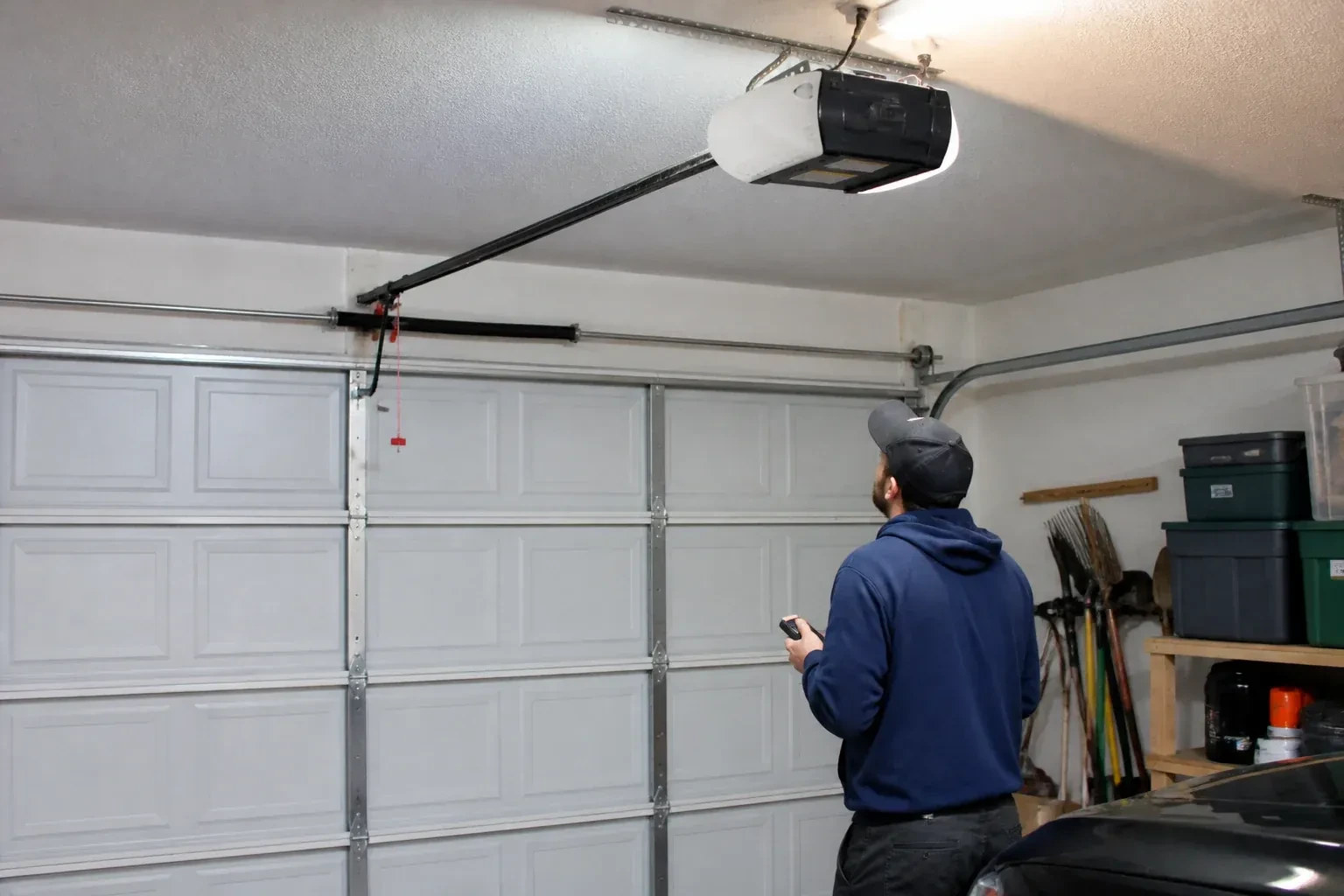 Book soonGarage Door Opener Diagnosis and RepairThe wall button works every time.
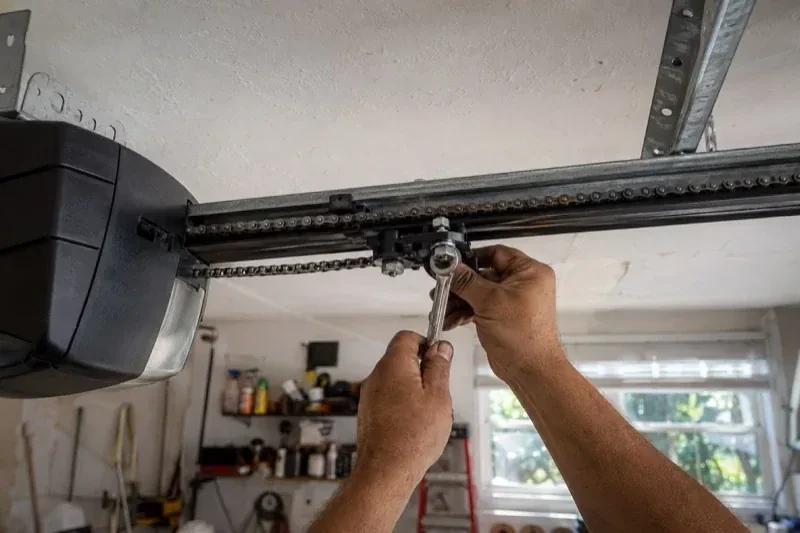 Book soonChain-Drive Opener RepairPress the button and the opener hums for a second, then quits.
 Book soonBelt-Drive Opener RepairThe door used to glide up with a soft hum.
 Plan aheadGarage Door Opener Replacement
 Book soonPhoto-Eye Sensor Alignment or ReplacementThe small light on one of the sensors near the floor has gone dark, or it flickers when someone walks past the track.
Emergency Release Repair near you
Toronto, Ontario
Toronto information
- Town
- Toronto, Ontario
- In business
- 16 years
- Hours
- Open 24/7 · nights, weekends and holidays, same fees
- Phone
- (289) 807-2460
- Visits
- On-site assessment preferred. Request a visit or call.
What the census means at the door
58%
Older homes. About 58% of homes in Toronto were built in 1980 or earlier, according to the 2021 Census.
Older garages tend to have lower headroom and narrower single openings, so replacement doors and openers are chosen to fit the space rather than the other way round. Measuring the header, side room and ceiling depth is the first step on every one of these visits.
23%
Single-detached houses make up about 23% of homes in Toronto (2021 Census).
In attached housing, a resident's remote or fob may open both their own door and a shared gate, and lost devices are a real security concern. We clear old codes from the operator, program replacements, and explain to management how to keep the access list current.
Nearby
Open 24/7
Request a visit
A previous owner knotted the release cord around the rail and stacked storage shelves right beneath it.
Call now · open 24/7(289) 807-2460- On-site assessment preferred
- Same fees day, night or weekend
- 16 years in business