Book soon Openers · Cabbagetown
Garage Door Opener Diagnosis and Repair in Cabbagetown
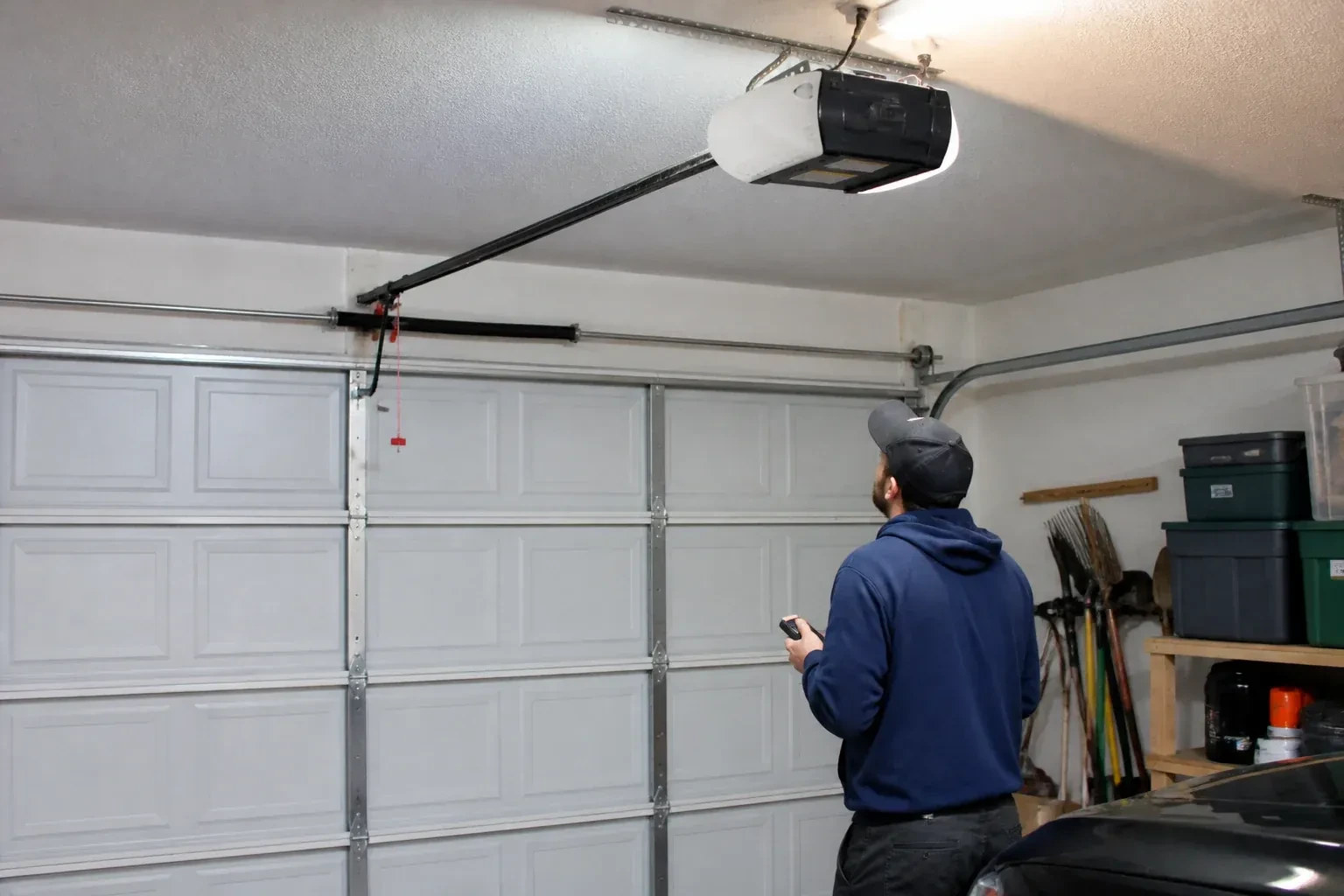
The wall button works every time. The remote only works if you are practically under the door; from the end of the driveway it does nothing at all.
Call now · open 24/7(289) 807-2460Right now
Before the door is looked at
Call (289) 807-2460, open 24/7.
Pull the release with the door fully closed whenever possible, and keep the opening clear as you do. Once the trolley lets go, the door is held by its springs alone, and a closed door can still shift unexpectedly.
Never drive a vehicle at a closed door to get out; the door collapses and the stored tension in the counterbalance is released. Use the release, the outside key release, or a technician.
In freezing weather, check that the bottom seal has released from the slab before using the opener; a door frozen to the floor is the most common winter route to slack cables and a crooked door.
In plain words
Every diagnosis ends with the same two tests, because an opener that moves the door is only half fixed. First, a length of 2x4 is laid flat on the floor under the centre of the door and the door is closed onto it; it must reverse on contact and return to fully open. Second, with the door closing, an object is passed through the photo-eye beam near the floor; the door must stop and reverse. These tests are how the opener standard defines a working unit, and they are how the technician proves that the fault found was the fault fixed.
How the visit goesThe motor runs, the chain rattles along the rail, and the door does not move a millimetre. You notice the little carriage sliding back and forth on its own. Last week the power was out and someone pulled the red cord to get the car out.
Garage Door Opener Diagnosis and Repair · Cabbagetown
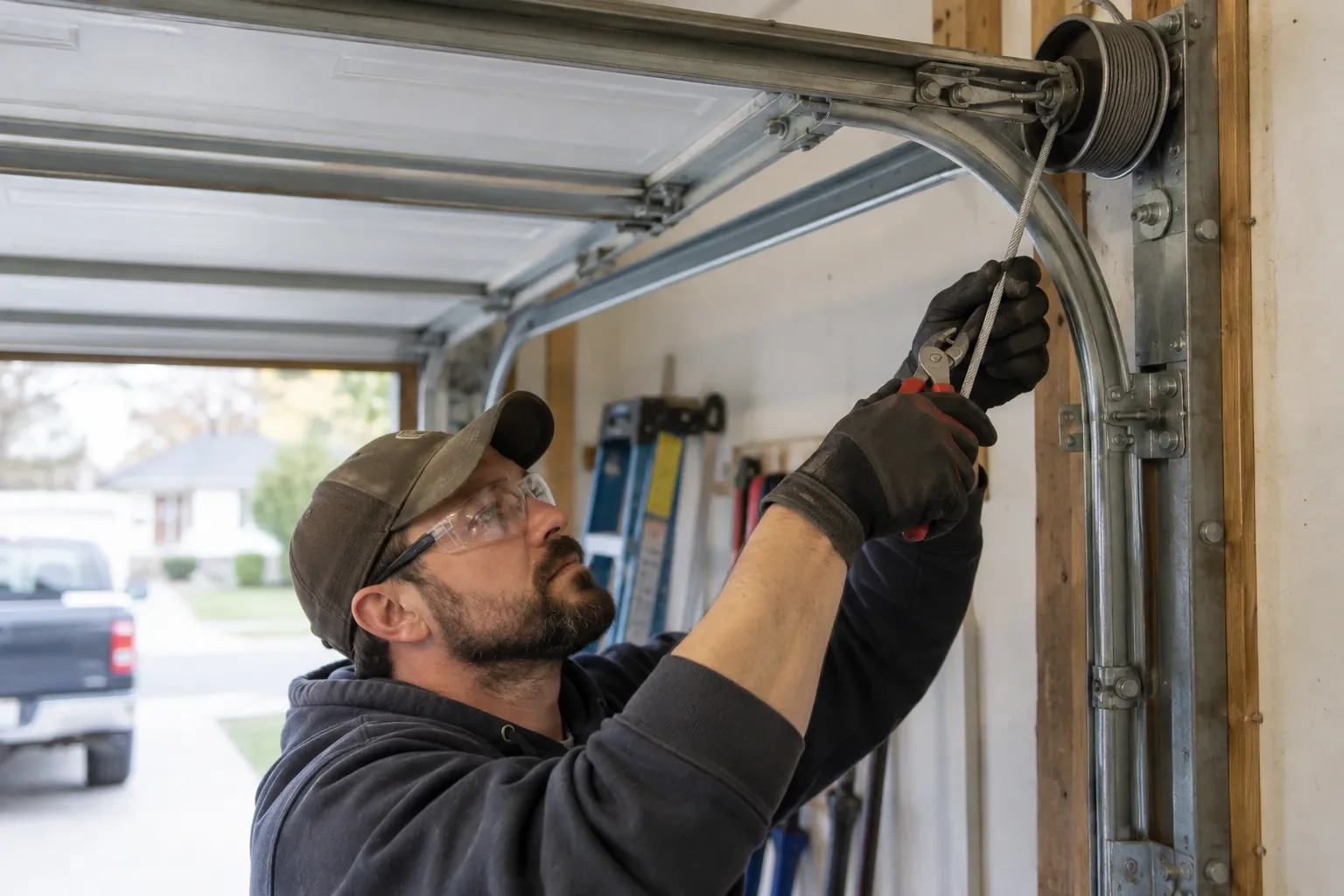
How the visit goes
- 1
Limits, force and the two safety tests
Finally the settings are checked against what the door actually does. Travel limits decide where the door stops at the top and how firmly it meets the floor; a limit set slightly long makes the door hit the slab, sense an obstruction and pop back open. Force settings decide how much resistance the opener tolerates before reversing, and these drift, or get turned up to hide a stiff door. Both are read, the door is run through full cycles, and the contact reversal test with a 2x4 and the beam-interruption test are performed. Any setting that only passes because force is cranked high is treated as a symptom.
- 2
Capacitor and motor work
On an AC opener that hums and clicks but never turns, the start capacitor is the first suspect. It is discharged, tested and replaced with one of the same rating, a routine job that returns a dead-sounding opener to normal in many cases. If the motor still fails to turn with a good capacitor, the technician checks for a seized shaft, burnt windings or a failed thermal cut-out, and confirms the motor is not simply being stalled by a locked or bound door. A motor replacement is weighed against the age of the unit and the availability of the part, and that judgement is explained before any decision.
- 3
The monthly test you can do yourself
You leave knowing a short check that catches most opener trouble early. Once a month, with the door open, lay a piece of 2x4 flat on the floor under the middle of the door and press close; the door should touch it and go straight back up. Then close the door again and pass a broom handle through the sensor beam near the floor; the door should stop and reverse. Watch the sensor lights stay steady. If either test fails, stop using the opener and book a visit. These are the same tests the technician just performed, and they are all the standard asks of a working unit.
In the van
- Photo-eye sensor pair
- Logic board or receiver
- Drive gear and sprocket kit
- Wall control
- Remote batteries (coin and cylinder cells)
What affects the quote
- 1
Season and weather
A frozen seal, a stiff door and an unheated garage in the cold months add steps to a diagnosis, such as freeing the door and re-lubricating for low temperatures, and the quote allows for them.
- 2
Sensor realignment versus replacement
Straightening a bracket and cleaning a lens is a small task. Replacing the sensor pair and running new wire along the wall and ceiling is a larger one, and the quote names which applies.
- 3
Which component failed
A capacitor, a sensor pair or a re-engaged trolley sits at one end of the range; a logic board or a motor sits at the other. The diagnosis names the part before the quote is settled.
Same fees day, night or weekend.
Garage Door Opener Diagnosis and Repair: questions
My remote only works when I am close to the door. Why?
Short range is almost always interference or a weak signal, not a broken opener. Certain LED bulbs, including ones fitted in the opener's own sockets, emit noise on the frequency remotes use. A remote battery near the end of its life also loses reach before it fails outright. The technician tests range with a known-good remote, swaps bulbs, checks the antenna wire hangs free below the head unit, and replaces the battery or remote as needed.
Should I lubricate the chain, the rail or the track?
Rollers, hinges, bearings and springs benefit from a garage door lubricant once or twice a year. The chain, belt or screw-drive rail is a separate question, since each drive type calls for its own product and schedule from the opener's manual rather than one rule for every unit. The track itself should stay clean and dry, because lubricant there collects grit and makes rollers slide instead of turning. The technician can point out the spots on your door at the end of the visit.
Which parts most often need replacing on an opener?
The list is short and familiar: the drive gear and sprocket on chain-drive units, the start capacitor on AC motors, the photo-eye pair and its wire, the trolley and carriage, the wall control, the remotes and their batteries, the light socket, and on newer units the battery backup pack. Logic boards and motors are replaced less often and weighed against the unit's age. Most of the common items are carried to the visit.
Openers & Access
Bigger photo, sooner job: Emergency Book soon Plan ahead
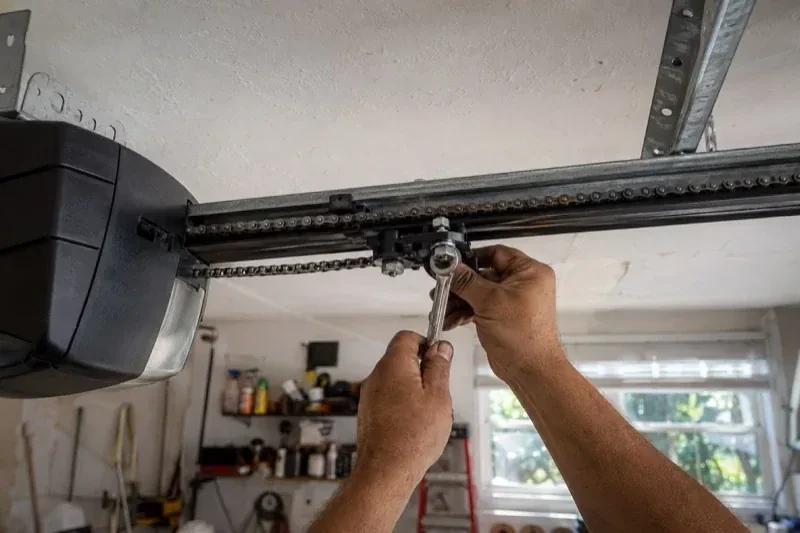 Book soonChain-Drive Opener RepairPress the button and the opener hums for a second, then quits.
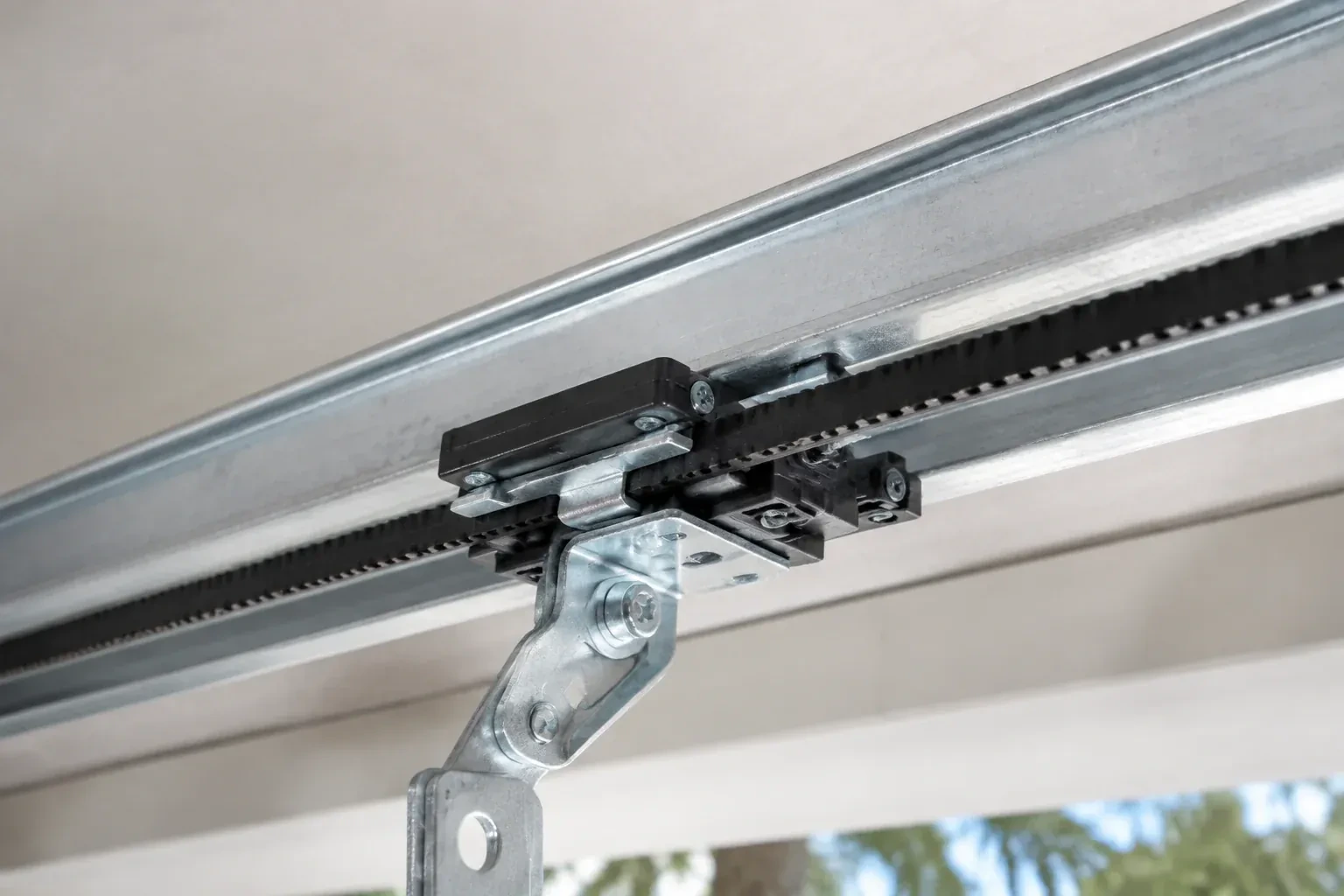 Book soonBelt-Drive Opener RepairThe door used to glide up with a soft hum.
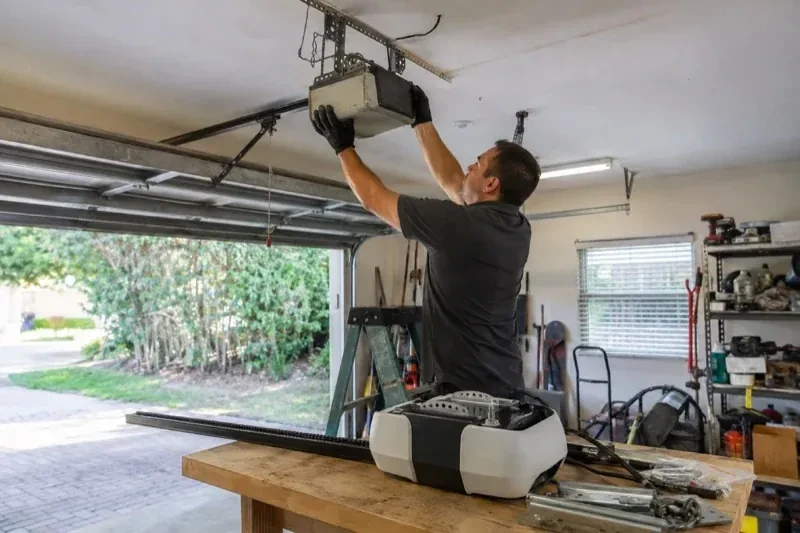 Plan aheadGarage Door Opener Replacement
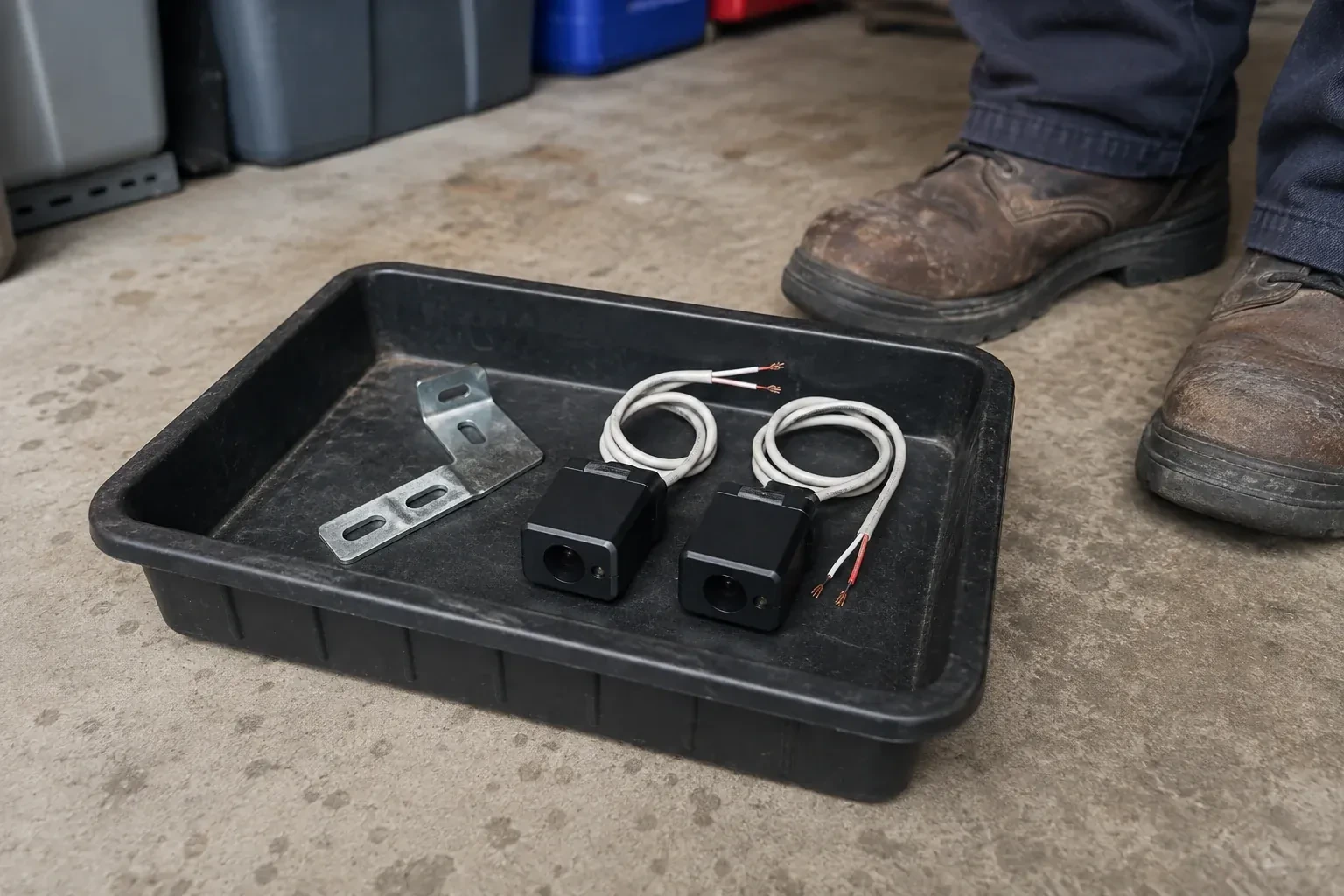 Book soonPhoto-Eye Sensor Alignment or ReplacementThe small light on one of the sensors near the floor has gone dark, or it flickers when someone walks past the track.
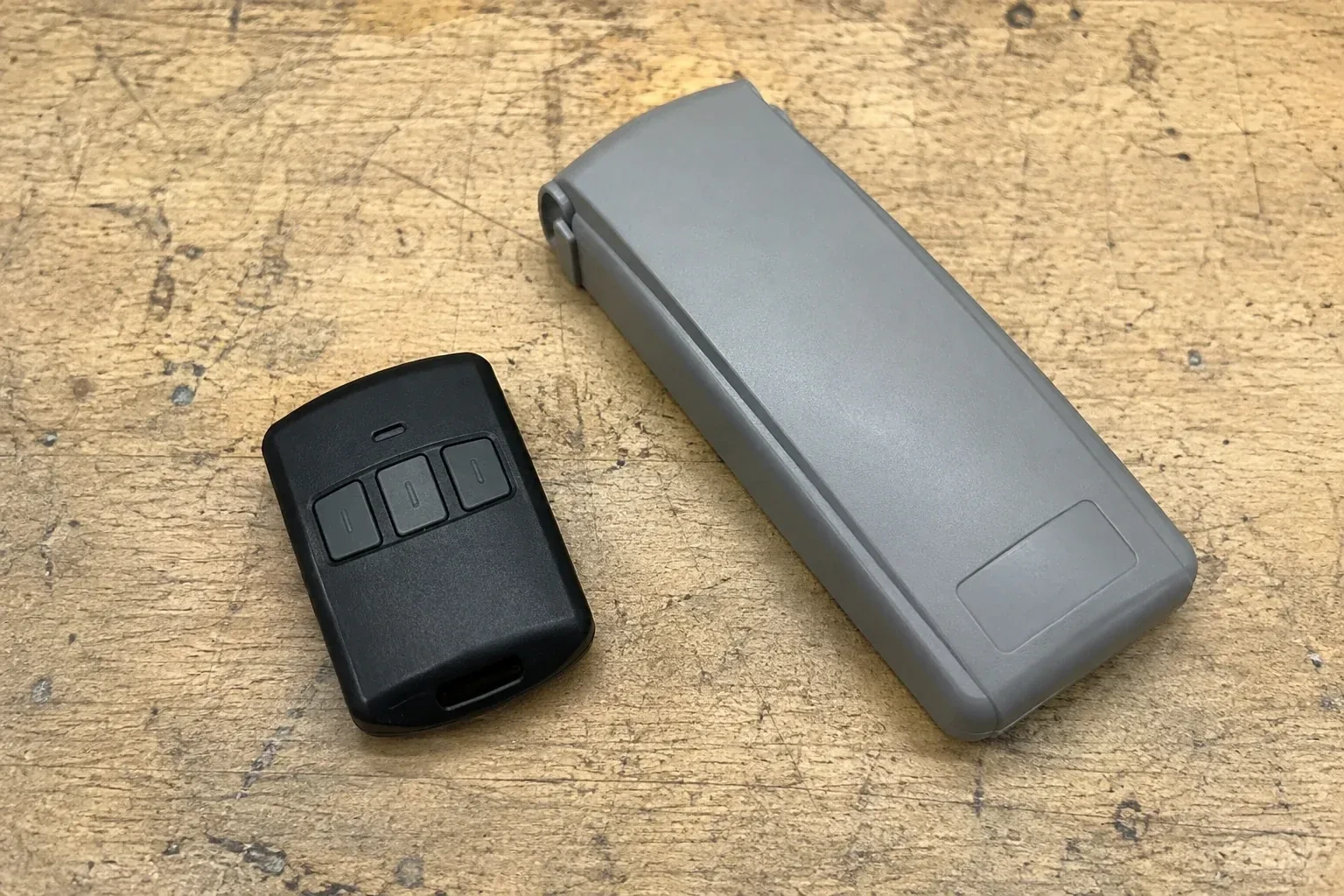 Plan aheadGarage Door Remote and Keypad Programming
Garage Door Opener Diagnosis and Repair near you
Toronto, Ontario
Cabbagetown information
- Town
- Cabbagetown, Toronto, Ontario
- In business
- 16 years
- Hours
- Open 24/7 · nights, weekends and holidays, same fees
- Phone
- (289) 807-2460
- Visits
- On-site assessment preferred. Request a visit or call.
What the census means at the door
58%
Older homes. About 58% of homes in Toronto were built in 1980 or earlier, according to the 2021 Census.
Wood door frames in an older house settle and swell over the decades, which can leave a door rubbing on one side. Rather than forcing the opener, the technician trues the tracks, adjusts the jamb seals and sets the door so it travels freely again.
23%
Single-detached houses make up about 23% of homes in Toronto (2021 Census).
Where most homes are townhouses, condos or apartments, garage doors are often shared: a single overhead door or gate serving an underground or common garage. Those doors run on commercial operators built for constant use, and their upkeep is usually arranged through the building's management.
Nearby
Open 24/7
Request a visit
The wall button works every time.
Call now · open 24/7(289) 807-2460- On-site assessment preferred
- Same fees day, night or weekend
- 16 years in business